Home › Sourcing
We buy from nine farms and we will tell you which one.
Direct contracts, prices above the reference index, and a lot code that traces every tin back to a named grower and a harvest month.
A broker sells you a grade. A grower sells you a crop.
Commodity spice is traded by specification: moisture below X, colour above Y, foreign matter under Z. Two lots that meet the same spec can taste nothing alike, and the trading chain has no reason to care which one you get.
We buy the crop instead. That means signing before harvest, accepting a fixed volume whether the season is generous or thin, and paying enough that the farm can afford three picking passes instead of one. It is a less flexible way to run inventory and a much better way to run a spice shelf.
- Multi-year written contracts with all nine partners.
- Advance payment at planting on six of nine.
- 34% average premium over the 2025 reference index.
- Annual in-person visits to at least three origins.
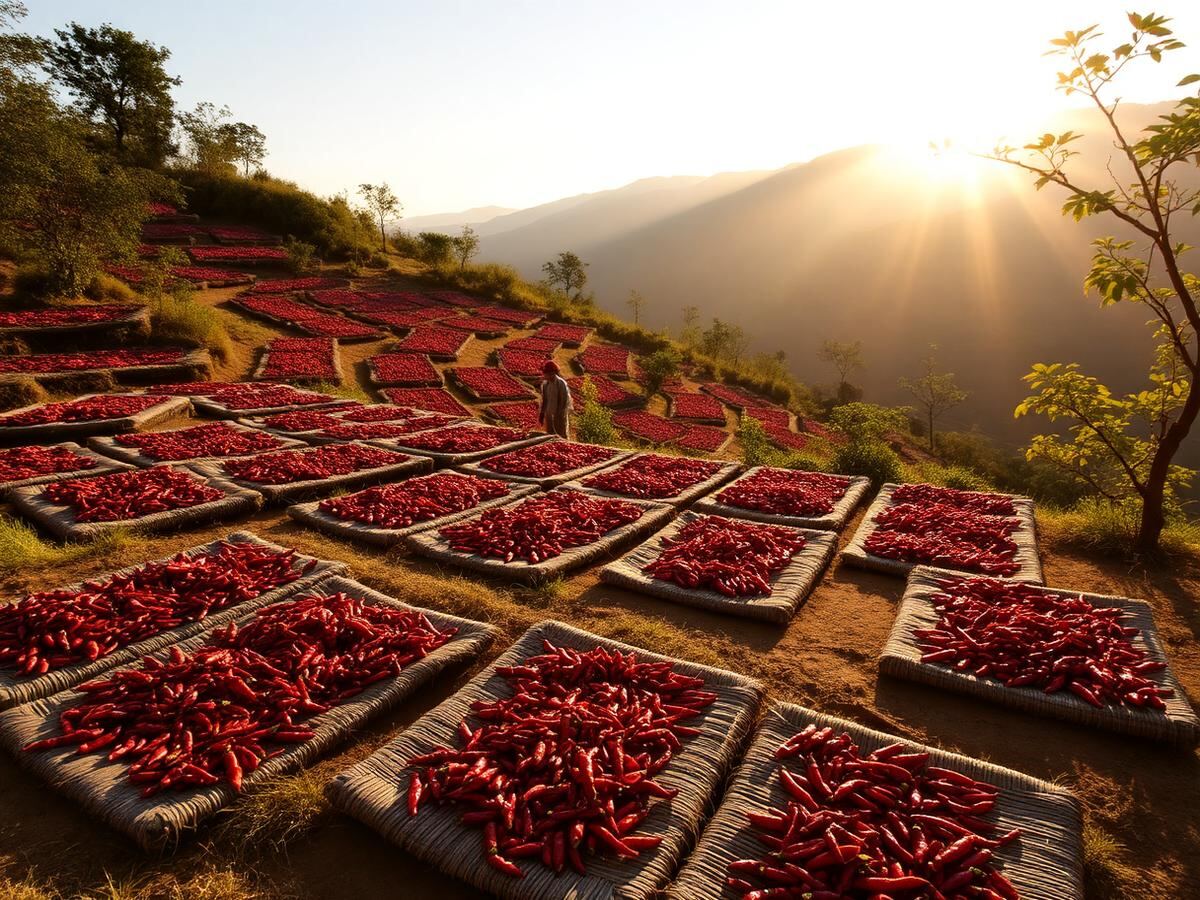
Nine farms, four continents, one spreadsheet.
Updated after each harvest cycle. Volumes and premiums are reviewed every January.
| Partner | Origin | What we buy | Relationship | Why them |
|---|---|---|---|---|
| Cooperativa Chicoj Alta | Alta Verapaz, Guatemala | Green cardamom | Since 2016 | Four families, 11 hectares at 1,400m. Hand-picked in three passes so pods come off at the same maturity. |
| Vengoor Estate | Idukki, Kerala, India | Tellicherry pepper, mace, ginger | Since 2017 | Vine-ripened to the point where one berry per spike turns red — the definition of Tellicherry grade. |
| Demirci Deirmen | Gaziantep, Türkiye | Aleppo pepper, sumac, urfa | Since 2018 | A third-generation miller who keeps village lots separate rather than blending them into one commodity flake. |
| Rancho El Táscate | Zacatecas, Mexico | Guajillo, ancho, árbol | Since 2019 | Sun-dried on raised racks, never gas-dried, which is why the pods stay pliable. |
| Nuwara Spice Gardens | Matale, Sri Lanka | Ceylon cinnamon | Since 2020 | True cinnamon, peeled and rolled by hand. Two-day turnaround from bark to quill. |
| Sahyadri Growers Group | Kashmir, India | Kashmiri chile | Since 2021 | Colour-graded by eye at intake; we buy only the top two grades. |
| Mesa Verde Herb Farm | Delta County, Colorado | Thyme, dill crown, oregano trial | Since 2021 | Ninety minutes from our mill room. Cut in the morning, in our dryer by afternoon. |
| Finca Santa Rosalia | Veracruz, Mexico | Allspice | Since 2022 | Large-berry selection off old-growth pimenta trees on a shaded slope. |
| La Vera Cooperative | Extremadura, Spain | Smoked paprika | Since 2023 | Oak-smoked for a fortnight in traditional drying houses, then stone-ground. |
What every lot passes before it reaches the mill.
Weight & photograph
Cases are weighed against the packing list and photographed on arrival. Discrepancies are settled with the grower directly, not written off.
Moisture reading
Target under 11% for seed and under 9% for leaf. Anything higher goes to our low-temperature dryer before storage.
Foreign matter screen
Sieved and hand-picked over a lit bench. Stems, stones and split hulls come out before anything is drummed.
Sensory panel
Three of us grind a 20g sample blind against last season's lot. If it is a step down, we say so to the grower and price accordingly.
Lot code assignment
Format CM-YY-XX-NN. Year, spice, sequence. The code goes on the drum, the batch sheet and every retail label.
Cold storage log
Sealed drums at 55°F, humidity logged twice daily. Whole spice only — nothing ground ever goes back into storage.
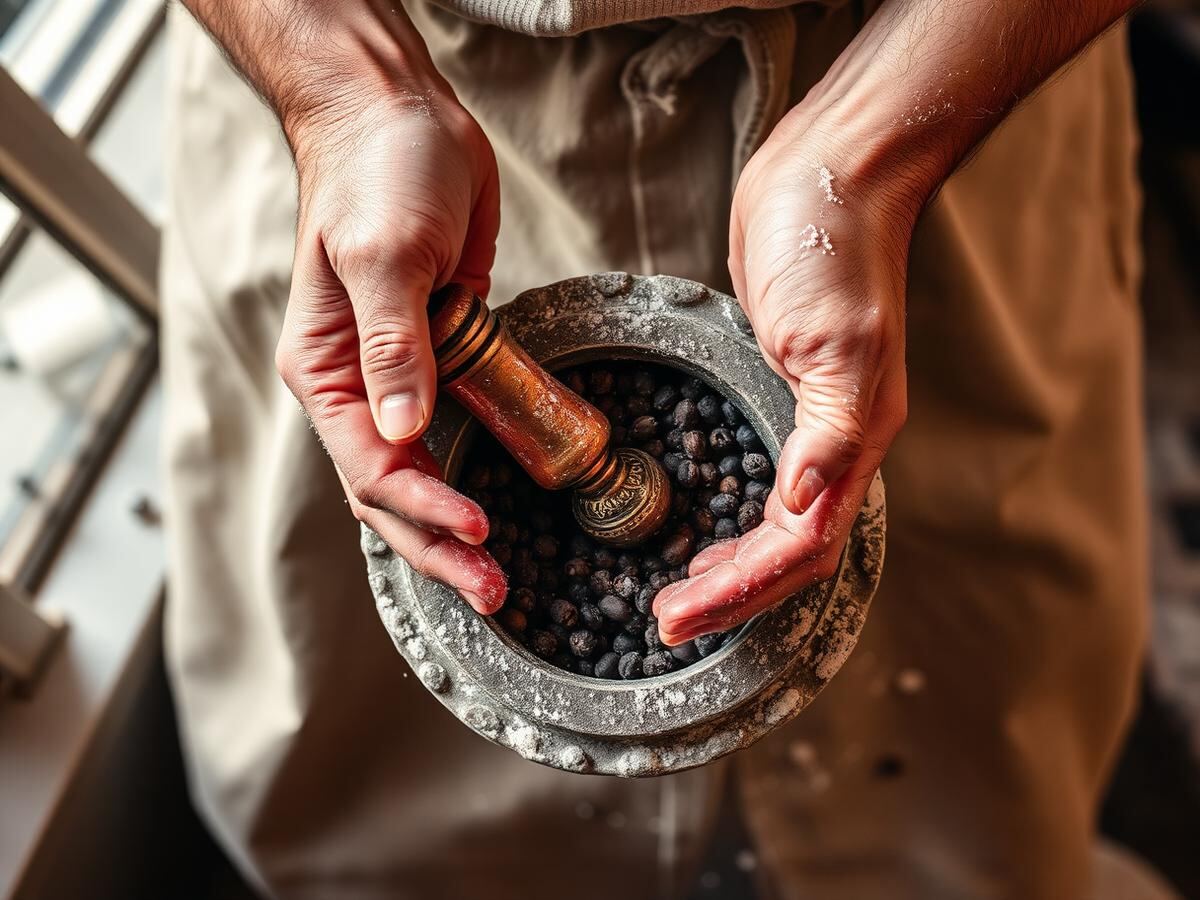
Read your lot code.
A label reading CM-24-GC-07 means: Copper Mesa, 2024 intake year, green cardamom, seventh lot of that spice. Send us the code by email or read it to us over the phone and we will tell you the farm, the harvest month, the intake moisture, the mill date and the initials of whoever ran the batch.
Records are retained for six years. This is not a marketing feature — it is the only honest way to answer “how fresh is this?”
Wholesale accounts receive a lot sheet with every case shipment, suitable for handing to an inspector or filing with a HACCP plan.
Ask about a lot